SMS, USSD and WAP Mobile
Payments
SMS Payments are one of the easiest ways to pay for items
since there are no passwords or account numbers to remember. You do not even
have to have a bank account, which is one reason SMS payments are so popular in
developing countries. It usually only takes less than a minute to complete a
purchase. This service is perfect for bill payments, money transfers, deposits
and withdrawals, accessing account information and to confirm transaction
status. There are three ways in which SMS Payments can be sent. The primary way
is through a website and a code which the consumer is sent via a web page. Then
the consumer sends this code to the text number and they pay for their
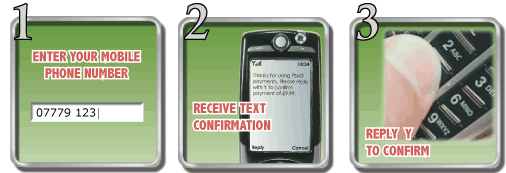
purchase. Another way is entering their phone number into a website. The
retailer then sends a text with a code and the consumer enters this code to
purchase online items. The last way is through direct text and this is used
primarily by charities. The consumer just sends a text to an advertised number
and their contribution is received by the charity. SMS payment options are
perfect for people without smart phones since only texting is required.
USSD or Unstructured Supplementary
Services Data
This mobile payment option is only available on GSM carrier
networks which currently are AT&T and T-Mobile. This service can be used for many mobile
banking needs such as balance inquiry, money transfers, bill payments and the
purchase of airtime minutes. The advantage of USSD versus SMS messaging is that
it is more secured because it is “real-time connection unlike SMS which stores
and forward protocol (Clickatell’s)”. This
service usually does not cost the end user any fees. The disadvantages are that “Phase
2 functionalities include session based communication and only work on updated
GSM phones and most global networks are still not updated to Phase 2 USSD (Van,
1)”· GSM networks are not standard in developing counties so they do not
support USSD services.

WAP or Wireless Application Protocol
In order to use a WAP based mobile payment, you will need to
download an application and install it on your smart phone. This will then lead
you to a particular web page that will be displayed on your mobile phone. This
makes paying for items very easy and allows the consumer the benefit of being
able to keep track of their purchases through Follow-on sales. “These pages can
be bookmarked easily by consumers, because they have specific URL, and it is so
easy to re-visit the pages or share them. (Admin, 1)”. WAP payments are quick
and help ease consumer’s security concerns by paying predictable way on one site. Some of
the disadvantages of using WAP mobile payments is that the small screen to view
webpages on some smartphones makes it hard to navigate, limited availability of
service in some areas since you must be connected to the Web and the price of smartphones makes it unaffordable to some people.

Van. Long. “Use of USSD technology in Mobile Banking”.
Mobile-Finncial.com. 08 Aug. 2009. Web. 18 Sept .2013. http://mobile-financial.com/blogs/use-ussd-technology-mobile-banking
Lumia. “How do SMS Payments Work for Users?”. Mobile
Transaction. 07 April 2013. Web. 18 Sept 2013. http://www.mobiletransaction.org/how-do-sms-payments-work-for-users/
“Interact with Unstructured Supplementary Service Data
(USSD)”. Clickatell. 2013. Web. 18 Sept. 2013. https://www.clickatell.com/clickatell-products/enterprise-products/ussd/
Admin. “Mobile web payments (WAP)”. Varshyl. 12 Feb. 2013.
Web. 18 Sept. 2013. http://www.varshyltech.com/article/mobile-web-payments-wap/


